
February 20, 2026
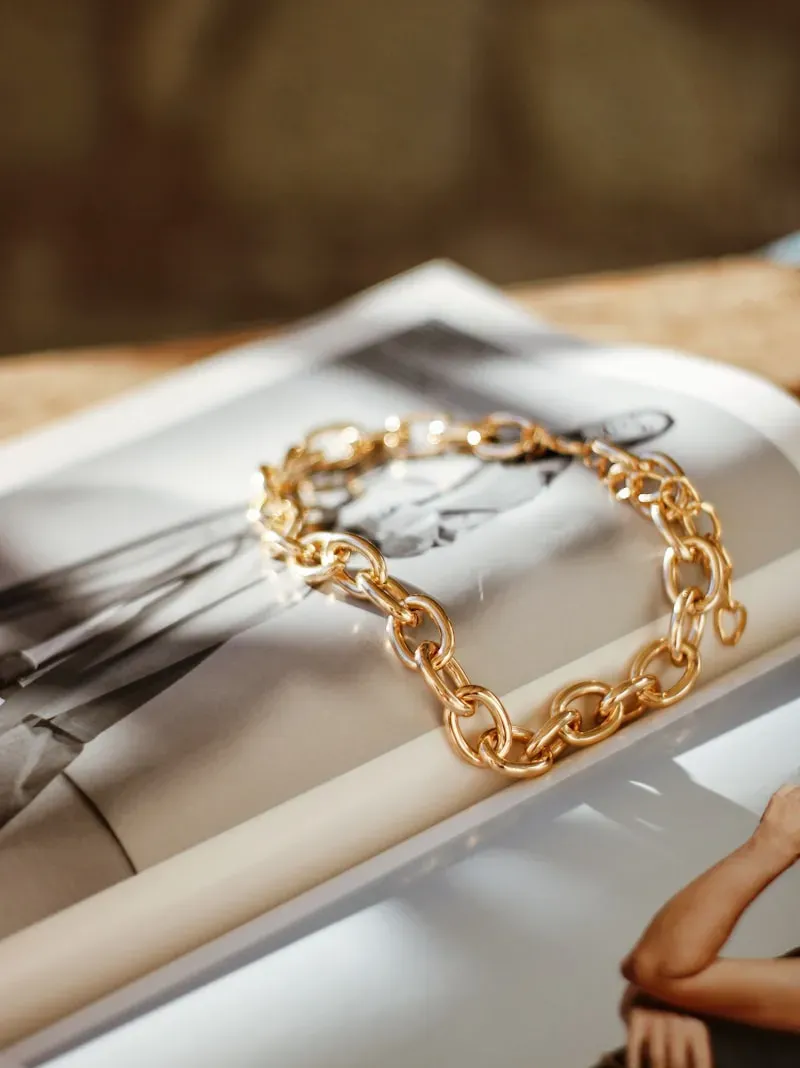
The Journey of a Silver Jewelry Piece
Every piece of 925 sterling silver jewelry begins as a design concept, but the path from sketch to finished product involves a fascinating blend of artisan skill and industrial precision. Understanding this process helps B2B buyers appreciate the craftsmanship behind each piece and make more informed sourcing decisions.
Design & Prototyping
Modern silver jewelry design combines digital tools (CAD/CAM software) with traditional hand-sculpting techniques. Designers create 3D models that are then produced as wax prototypes using precision casting machines. Each prototype goes through multiple rounds of refinement before being approved for production.
Casting & Assembly
The lost-wax casting process remains the foundation of silver jewelry manufacturing. Wax models are encased in investment plaster, heated to remove the wax, and then filled with molten 925 silver alloy. After cooling, each piece is carefully extracted, cleaned, and prepared for finishing.
Finishing & Quality Control
Finishing is where craftsmanship truly shines. Pieces go through grinding, filing, and multiple stages of polishing to achieve the desired surface quality. Surface treatments such as oxidation (for black finish), gold plating, or brushed textures are applied based on the design specifications.
Quality control is the final and most critical stage. Every piece is inspected for dimensional accuracy, surface defects, stone settings, and clasp functionality. Top manufacturers maintain defect rates under 2% through multi-stage inspection protocols, ensuring buyers receive consistent quality in every shipment.